
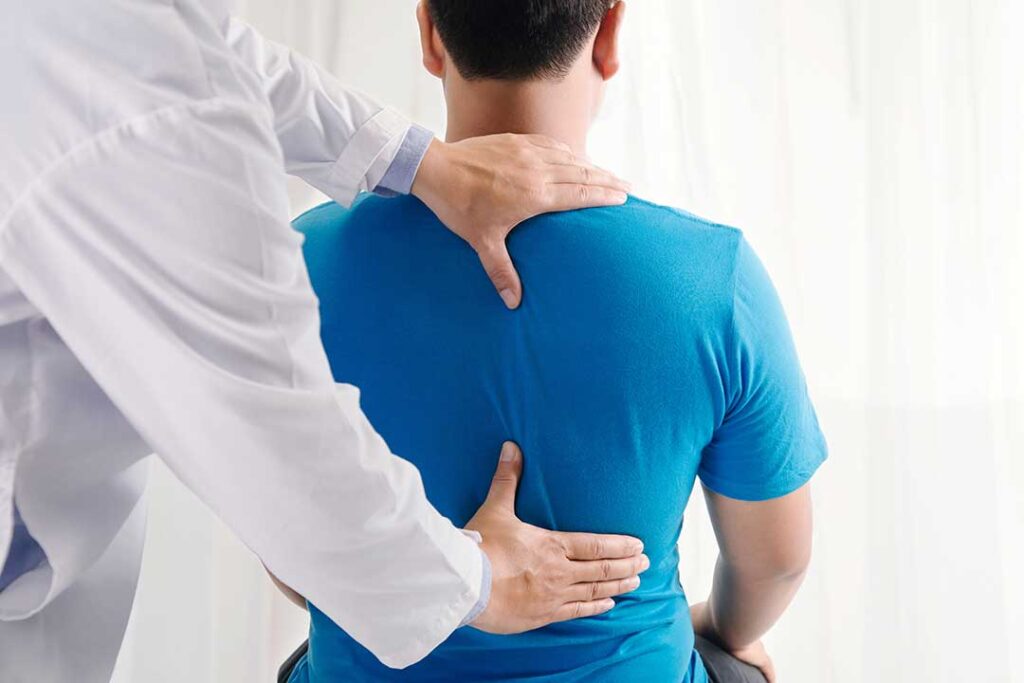
Chronic pain can affect movement, sleep, concentration, mood, and the ability to manage ordinary tasks. For residents of Rye, NY, useful self-care usually involves several modest habits practiced consistently rather than one exercise, posture, or treatment used as a complete solution.
Chronic pain generally refers to pain lasting three months or longer, including pain that continues after an injury has healed. The right approach depends on the cause, location, medical history, medications, and daily demands involved. Self-care can support comfort and function, but it should complement—not replace—appropriate medical evaluation when symptoms are new, worsening, or unexplained. ([medlineplus.gov](https://medlineplus.gov/chronicpain.html?utm_source=openai))
What daily habits can make chronic pain easier to manage?
The most useful starting point is to identify patterns that increase or reduce symptoms. A simple pain record can connect discomfort with sleep, activity, stress, weather, sitting, lifting, or prolonged standing.
For one to two weeks, record:
- Where the pain occurs and how it feels
- What activity came before it
- Sleep quality and duration
- Stress level and mood
- What reduced or aggravated symptoms
- Whether pain affected walking, work, household tasks, or recreation
This information can help distinguish a temporary flare from a recurring problem. It can also make conversations with a medical provider, physical therapist, or chiropractor more specific and productive.
How should movement be used when exercise hurts?
Gentle, regular movement is often more helpful than complete rest. Long periods of inactivity can reduce strength, joint mobility, and confidence with movement, which may make ordinary tasks feel more demanding.
Begin below the level that typically triggers a flare. Depending on the condition, this may include a short walk, gentle range-of-motion exercises, water-based movement, or brief strengthening with body weight. The goal is not to push through sharp, radiating, or rapidly increasing pain. Instead, increase duration or resistance gradually when the body tolerates the current level.
Pacing is particularly useful. Divide a demanding activity into smaller portions, alternate sitting and standing, and stop before exhaustion rather than after symptoms become severe. For example, outdoor chores, carrying groceries, or cleaning a multilevel home may be easier when spread across several shorter sessions.
Federal guidance encourages adults with chronic conditions who are able to do so to work toward regular aerobic and muscle-strengthening activity, but the appropriate starting point may be much lower for someone with significant pain or limited mobility. ([cdc.gov](https://www.cdc.gov/chronic-disease/living-with/index.html?utm_source=openai))
Can posture and the home environment affect pain?
Yes. Posture is not usually a single cause of chronic pain, but repeated positions and awkward tasks can contribute to symptoms. Rather than trying to maintain a rigid “perfect” posture, change positions regularly and make frequently used tasks easier.
Practical adjustments include:
- Keeping frequently used items between knee and shoulder height
- Using a supportive chair that allows both feet to rest on the floor
- Placing screens near eye level instead of looking down for long periods
- Taking brief movement breaks during computer work or driving
- Avoiding repeated twisting while carrying laundry, bags, or household supplies
- Using handrails and moving carefully on stairs, especially when floors are wet
Seasonal conditions can add challenges. Snow, ice, damp entryways, and heavier winter clothing can change walking mechanics and increase the effort required for errands or household tasks. In warmer, humid weather, fatigue and dehydration may also make activity feel more difficult. Slowing down, planning rest periods, and keeping walking surfaces clear can reduce avoidable strain.
What role do sleep and stress play?
Poor sleep and persistent stress can increase pain sensitivity and reduce the energy available for coping with symptoms. Pain can then make sleep more difficult, creating a cycle that affects mood, concentration, and activity.
A consistent sleep routine may help. Keep wake time relatively stable, reduce stimulating activities before bed, and use a comfortable sleeping position that does not aggravate symptoms. If pain repeatedly wakes someone, note the timing and position involved rather than simply adding more pillows or changing mattresses without understanding the pattern.
Stress-management techniques do not mean that pain is “only psychological.” Breathing exercises, progressive muscle relaxation, mindfulness, quiet music, journaling, and counseling can influence the nervous system’s response to pain. Depression and anxiety are common among people living with persistent pain, and cognitive behavioral therapy may help some people develop practical coping skills. ([medlineplus.gov](https://www.medlineplus.gov/ency/patientinstructions/000417.htm?utm_source=openai))
Are heat, cold, stretching, or massage safe?
These approaches may provide short-term relief, but their usefulness depends on the condition and how they are applied.
Heat can relax tight muscles and make gentle movement more comfortable. Cold may help temporarily after activity-related irritation or during some flare-ups. Use a cloth barrier, limit exposure, and avoid falling asleep with a heating device in place. People with reduced sensation, circulation problems, or certain medical conditions should ask a qualified clinician before using heat or cold.
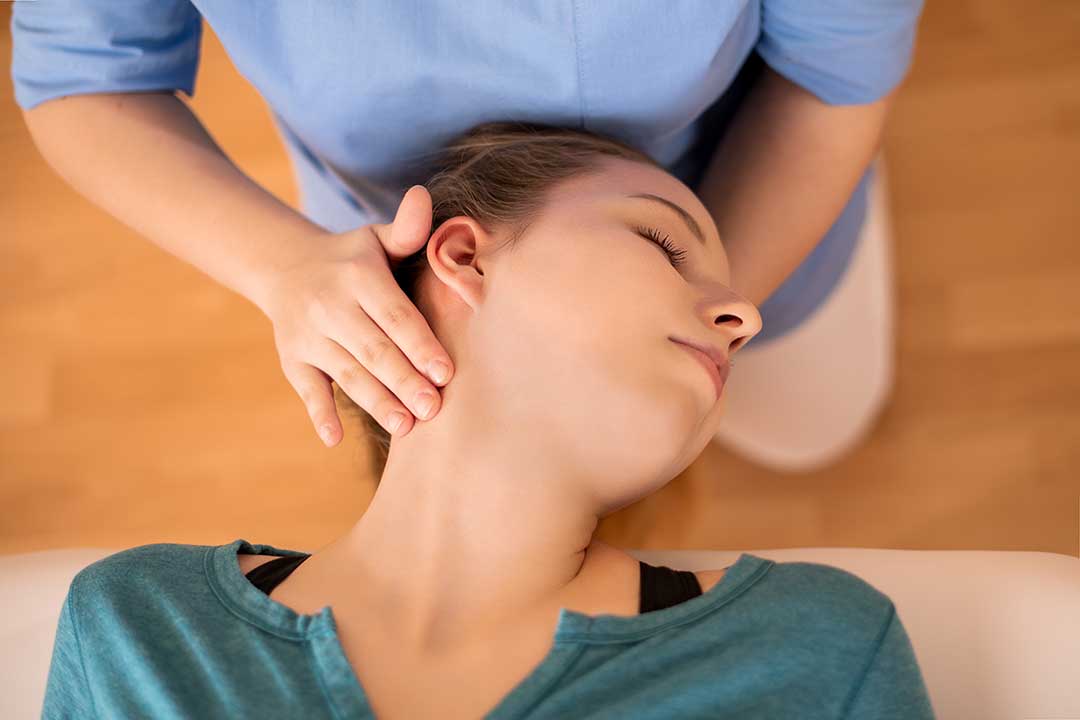
Stretching should feel mild, not forceful. A stretch that causes numbness, tingling, sharp pain, or symptoms traveling down an arm or leg should be stopped. Massage may ease muscle tension for some people, but it should not be used to delay evaluation of unexplained swelling, weakness, fever, or significant injury.
Non-drug approaches such as physical therapy, relaxation techniques, massage, and other complementary methods may be included in a broader pain-management plan. They are not equally appropriate for every diagnosis. ([medlineplus.gov](https://medlineplus.gov/painrelievers.html?utm_source=openai))
What should be considered before taking pain medication?
Over-the-counter medication is not risk-free. Acetaminophen can cause liver problems when taken above recommended limits or combined with other products containing acetaminophen. Nonsteroidal anti-inflammatory drugs may affect the stomach, kidneys, blood pressure, or cardiovascular system and may interact with other medicines.
Read labels carefully and ask a pharmacist or medical provider about safe use when there is a history of ulcers, kidney disease, liver disease, heart disease, blood-thinning medication, pregnancy, or multiple prescriptions. Opioid medication should only be used under direct medical supervision because of risks including dependence, overdose, and other serious side effects. ([medlineplus.gov](https://medlineplus.gov/painrelievers.html?utm_source=openai))
When does chronic pain require prompt medical attention?
Self-care is not appropriate as the only response to certain warning signs. Seek urgent medical evaluation for pain accompanied by:
- New loss of bladder or bowel control
- Numbness around the inner thighs or groin
- Sudden or progressive weakness
- Chest pain, severe shortness of breath, or fainting
- Fever, unexplained weight loss, or a history of cancer
- Severe pain after a fall, collision, or other significant injury
- A hot, swollen, red joint with fever
- A sudden severe headache or new neurological symptoms
Even without emergency symptoms, pain that is steadily worsening, repeatedly disrupting sleep, or limiting normal activities deserves evaluation. A diagnosis helps determine whether exercise, spinal care, medication, imaging, rehabilitation, or another approach is appropriate.
For many households, the most sustainable plan is simple: track patterns, move within tolerable limits, pace demanding tasks, protect sleep, reduce avoidable strain, and reassess when symptoms change. Self-care works best when it is specific to the person and adjusted over time rather than treated as a fixed routine.
