
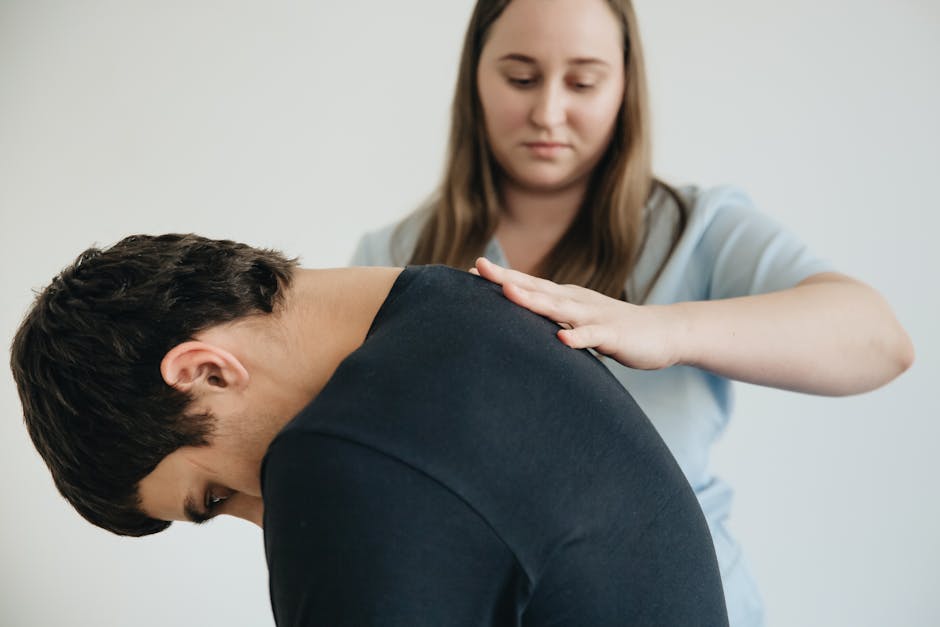
Back pain is something most people in Rye, New York will face at some point in their lives. Whether it’s from sitting too long while working from home along the Sound Shore, spending weekends kayaking at Rye Beach, or playing tennis at local clubs, back discomfort can impact almost anyone. Despite its prevalence, misinformation about back pain is everywhere. Today, let’s clear up the facts, debunk the myths, and empower you to make better decisions about your spine health.
Myth 1: Back Pain Means Serious Damage
One of the biggest misconceptions is that any form of back pain signifies a severe problem, like a slipped disc or a spine injury. The reality is, in most cases, back pain is related to minor issues like strained muscles, ligament sprains, or irritation from poor posture. Everyday activities in Rye, such as gardening at your Milton Point home or taking long walks along Playland Park, can cause temporary discomfort that usually improves with simple care.
Serious underlying conditions are rare. If you experience numbness, loss of bladder control, or intense, persistent pain after an accident, seek immediate medical attention. For most other aches, gradual improvement is expected.
Myth 2: Rest Is the Best Cure for Back Pain
Rye’s natural beauty makes it tempting to lay low after flare-ups, but too much rest can prolong recovery. Medical researchers have consistently shown that gentle movement helps the body heal faster. Try these approaches:
- Take short walks along Rye Town Park or the Greenhaven area.
- Opt for light stretching routines at home.
- Gradually return to activities you enjoy.
Staying active (within your limits) reduces stiffness and improves blood flow to the affected area.
Myth 3: Only Older People Suffer from Back Pain
While it is true that age-related factors such as disc degeneration contribute to back problems, back pain can affect anyone. Students at Rye High School and young professionals in their 20s and 30s are increasingly reporting back pain, often related to prolonged device use, heavy backpacks, or high-stress lifestyles.
- All ages should care for their spine, practice good posture, and take breaks from sitting or screens whenever possible.
Myth 4: If You Have Back Pain, You Should Avoid Exercise
Rye is an active community, home to joggers on the Marshlands Conservancy trails and cyclists on Boston Post Road. Many residents mistakenly believe exercise will exacerbate their symptoms. In reality, exercise—especially under the guidance of a professional—can be one of the most effective ways to prevent and treat back pain.
- Low-impact activities like swimming at Rye Golf Club, walking, and yoga can strengthen core muscles and stabilize the spine.
Myth 5: Your Mattress or Chair Is Always to Blame
Many people blame their back problems solely on their office chair or mattress. While ergonomics undoubtedly matter (and Rye’s many remote workers deserve a functional home office setup), back pain is almost always the result of a combination of factors.
- Poor posture, lack of physical activity, and daily habits contribute just as much as what you sleep or sit on.
- Adjusting your workstation, taking regular movement breaks, and performing posture checks make a bigger impact over time.
Myth 6: “No Pain, No Gain” Applies to Your Spine
The old saying “no pain, no gain” does not apply to your back. Being tough and pushing through severe pain when exercising or moving can actually make matters worse. Listen to your body and learn the difference between mild soreness and actual pain that signals harm.
- If your activities in Rye—whether it’s on the water, golf course, or hiking trails—result in sharp, radiating, or persistent pain, stop and consult a healthcare provider.
Myth 7: Surgery Is the Only Solution for Chronic Back Pain
Hearing that surgery is inevitable is something many Rye residents fear after struggling with pain for a while. The truth? Less than 5% of people with back pain ever require surgery. Most cases respond well to a combination of:
- Physical therapy
- Chiropractic adjustments
- Gentle exercise
- Over-the-counter medications and home care
Chiropractors and physical therapists in Rye and Westchester County often see excellent results with conservative care, reducing the need for invasive procedures.
Myth 8: Back Pain Will Always Come Back
Many believe that once they experience back pain, it’s destined to return. While recurring back pain is possible, especially without lifestyle changes, most people recover fully—particularly if they make ergonomic improvements, stay active, and seek early treatment for new issues.
- Preventive approaches like regular stretching, maintaining a healthy weight, and core training at local gyms like Rye YMCA dramatically reduce recurrence rates.
Helping Yourself: Tips for Rye Locals
Residents of Rye can take practical steps to protect their backs:
- Adopt proper lifting techniques when enjoying outdoor projects or helping with community cleanups.
- Use local green spaces for gentle, regular exercise.
- Invest in ergonomic setups for both office and leisure activities, especially if working remotely.
- Seek early professional advice if pain persists for more than a few weeks.
Final Thoughts
Back pain is common, but it’s often surrounded by myths that can delay proper recovery or create unnecessary worry. Living an active lifestyle in Rye, NY gives you plenty of opportunities to care for your spine and enjoy everything the community offers. By debunking myths and focusing on evidence-based care, you can take control of your back health and keep doing what you love—pain-free.
