
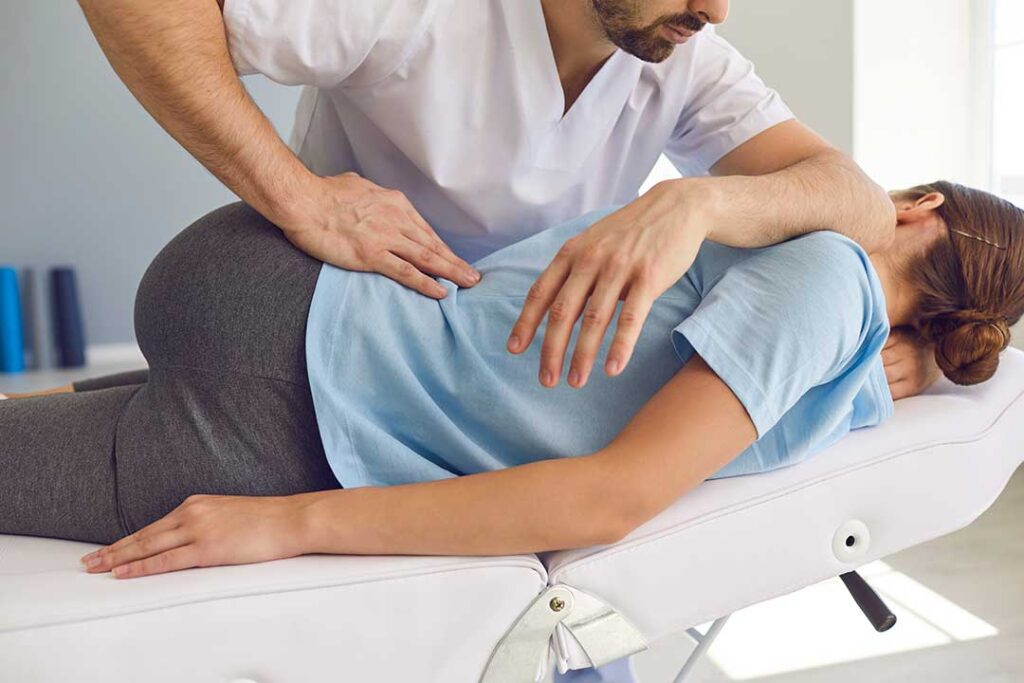
Can Soreness Happen After a Chiropractic Adjustment?
Yes, mild soreness is a common experience after a chiropractic adjustment—especially if it’s your first visit or if your body is not used to this kind of movement. The sensation can be similar to what you might feel after starting a new exercise routine.
For residents in Rye, NY, the climate’s seasonal changes and the variety of active lifestyles, from commuting to outdoor leisure, can affect how your muscles and joints respond to certain physical interventions. For most people, mild post-adjustment soreness is temporary and often fades within 24–48 hours.
Why Does Soreness Occur?
The primary reason for post-adjustment soreness is that chiropractic care involves gentle movements of joints and soft tissues that may not have moved much recently. These adjustments can:
- Stretch or reposition muscles that have tightened up
- Release tension in restricted areas
- Encourage increased circulation, which may promote healing but also temporarily increase sensitivity
Think of it as your body responding to “new” use of certain muscles and joints, much like you’d feel after raking leaves in the fall or shoveling snow after a long stretch of inactivity—both common activities for local households.
How Much Soreness Is Normal?
A dull ache or mild muscle tenderness that lasts a day or two is considered typical. It might be most noticeable in the area adjusted (such as the neck, back, or shoulders), but some people also feel general fatigue or a subtle, overall body tiredness.
You should not expect:
- Sharp, persistent, or worsening pain
- Numbness, tingling, or significant weakness
- Swelling, bruising, or redness near the area
If those symptoms occur, further evaluation may be needed. For most Rye residents, especially those who lead an active lifestyle, any discomfort should remain mild and improve quickly with gentle self-care.
Are Some People More Likely to Feel Sore?
Local residents who are new to chiropractic care, have sedentary work-from-home routines, or spend long hours driving—common in suburban communities—may notice more initial soreness since their bodies may not be accustomed to frequent joint movement or stretching.
Others who may notice more post-adjustment discomfort include:
- Older adults whose joints may be less flexible
- Those recovering from recent injuries or medical conditions
- Individuals with high stress levels, since stress can cause muscle tightness
How Can Soreness Be Managed at Home?
Simple home care strategies often help manage mild post-adjustment soreness, allowing you to get back to your preferred routine in Rye:
- Apply a cold pack to the sore area for short intervals to reduce discomfort.
- Use a warm shower or heating pad later to relax tight muscles if preferred.
- Stay hydrated, as fluids help flush metabolic byproducts from muscle tissue.
- Gentle stretching or short walks can reduce stiffness.
- Avoid heavy lifting or intense physical activity for the rest of the day.
Many find that these steps, commonly used after everyday home projects or yard work, are effective for managing transient soreness.

What If Soreness Lasts Longer Than Expected?
Mild discomfort generally fades in a day or two, but if soreness lingers for several days, it often reflects either individual differences in recovery or higher-than-usual muscle tension at the time of adjustment.
Some factors that could contribute:
- Returning to repetitive physical tasks without enough rest
- Stress or sleep disruptions that slow muscle recovery
- Underlying conditions that affect healing
While it’s rare, in the event of symptoms that seem unusual or do not improve, residents should consider general health evaluation to rule out unrelated causes.
How Does Rye’s Local Climate or Lifestyle Play a Role?
The seasonal climate in Rye, with cold winters and humid summers, means joints and muscles can feel stiffer in certain conditions. It’s common for soreness to be more pronounced after chiropractic adjustments during colder months, when muscles tend to be tighter.
Area residents who enjoy outdoor activities like walking along the Sound Shore, participating in recreational sports, or gardening may notice their bodies “wake up” with adjustments, resulting in mild soreness that quickly fades as they continue to stay active.
Are There Ways to Reduce the Chances of Soreness?
Yes, there are practical steps that can make post-adjustment discomfort less likely:
- Engage in regular light activity to keep joints and muscles flexible year-round
- Ease into new activities gradually, especially after the winter season or periods of inactivity
- Keep open communication with your chiropractic professional about your job, commute, and daily routine, as these factors impact muscle and joint health
For many households in Rye, pacing oneself with seasonal chores and household projects—and balancing them with occasional rest—can help minimize muscle stress from any activity, including adjustments.
Common Misconceptions About Soreness and Chiropractic Care
Some local residents worry that discomfort after a chiropractic adjustment means something is wrong. In most cases, this minor soreness is a normal part of the body accommodating change, much like the muscle ache after a weekend of gardening or painting.
It’s also a misconception that feeling sore means the adjustment “failed” or caused injury. Soreness is not a necessary outcome, but if it happens, it’s usually self-limiting and not a sign of damage.
Final Thoughts: What Residents Should Remember
Feeling mildly sore after a chiropractic adjustment is a common—and usually harmless—response that improves with rest and simple self-care. The experience is similar to other temporary muscle aches familiar to Rye households after physical activity, especially during the changing seasons. With healthy habits and an awareness of one’s own routine and limits, most area residents can expect post-adjustment discomfort to be a brief part of their wellness journey.
