
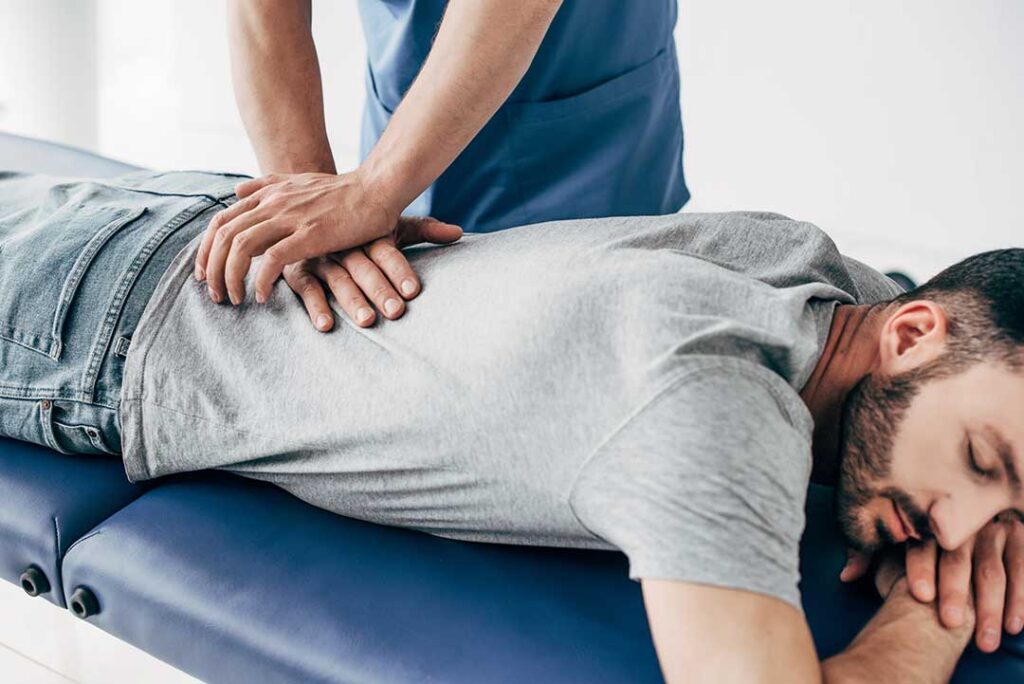
Back pain can make ordinary activities—getting out of bed, sitting at a desk, shoveling a walkway, or carrying groceries—surprisingly difficult. For many people in Rye, NY, the first question is simple: should the sore area be cooled with ice or warmed with heat?
The short answer is that ice may be more useful during the first day or two after a sudden strain, while heat often helps muscle tightness and stiffness. However, there is no universal rule. The option that provides relief without irritating the skin or worsening symptoms is usually the more practical choice. ([medlineplus.gov](https://www.medlineplus.gov/ency/article/002119.htm?utm_source=openai))
Should you use ice or heat first?
For a new back injury that follows lifting, twisting, a fall, or strenuous activity, try cold during the first 24 to 72 hours. Ice can temporarily numb pain and may help reduce the feeling of inflammation or swelling.
Heat is often more comfortable when the main problem is stiffness, muscle spasm, or an achy back that has been present for several days. A warm shower, bath, heating pad, or warm compress may relax tense muscles and make gentle movement easier.
The traditional advice to use ice first and heat later can be helpful, but it is not an absolute schedule. Some people feel better with heat immediately, while others prefer cold. Relief and safety matter more than following a rigid sequence.
How should ice be applied safely?
Use a cold pack, a bag of frozen vegetables, or ice wrapped in a thin towel. Never place ice directly against the skin.
Apply cold for about 15 to 20 minutes, then remove it and allow the skin to return to its normal temperature. Cold can be repeated every few hours during the first day or two if it helps. Stop if the skin becomes very pale, painful, numb for an extended period, or develops a burning sensation.
Ice is most reasonable when back pain is:
- New and related to a specific activity or minor injury
- Accompanied by a sense of soreness or localized swelling
- Sharp or throbbing after lifting, bending, or sports
- Relieved by cooling rather than warming
People with reduced sensation, circulation problems, or certain medical conditions should use extra caution with cold therapy because skin damage may occur before discomfort is noticed.
When is heat a better choice?
Heat tends to help when muscles feel tight, guarded, or stiff. It may be particularly useful before light activity, such as walking or gentle mobility exercises, because warmth can make movement feel less restricted.
Use a comfortably warm—not hot—heating pad or compress for 15 to 20 minutes. A warm shower may be a good alternative, especially for widespread stiffness. Keep a layer of fabric between the heat source and the skin, and do not fall asleep while using a heating pad.
Heat may be helpful for:
- Morning stiffness
- Muscle tightness or spasm
- Back discomfort that has lasted more than a couple of days
- Aching that improves with movement or warmth
- Stiffness after prolonged sitting
Avoid very high temperatures. Excessive heat can cause burns, and people with diabetes, reduced sensation, or circulation concerns may not feel the injury developing.
Can you alternate ice and heat?
Yes, some people find alternating temperatures useful. For example, heat may make a tight back easier to move, while cold afterward may calm soreness caused by activity.
Use one method at a time and allow several hours between applications if switching from heat to cold. There is no need to alternate on a strict schedule. If one approach consistently worsens pain, discontinue it.
A practical routine might be:
1. Use gentle heat before a short walk if stiffness is the main symptom.
2. Move within a comfortable range rather than stretching forcefully.
3. Apply cold afterward if the area feels more irritated or inflamed.
4. Reassess how the back feels later instead of applying temperature therapy continuously.
The purpose of ice or heat is symptom relief—not to mask pain so that strenuous activity can continue.
Should you rest while using ice or heat?
Extended bed rest is generally not recommended for ordinary low back pain. Short-term reduction of aggravating activities can help, but prolonged inactivity may increase stiffness and make normal movement harder. Gentle walking and frequent position changes are often better than staying in bed, provided they do not sharply increase symptoms. ([medlineplus.gov](https://www.medlineplus.gov/ency/article/002119.htm?utm_source=openai))
During colder months, people may spend more time indoors, sit for longer periods, or tense their muscles in response to chilly conditions. In an older home, a drafty room or an extended evening on a couch can also contribute to stiffness. Heat may feel especially soothing in those situations, but it should be paired with safe movement rather than used as a substitute for activity.
For desk work, try changing position regularly. When lifting household items, keep the object close to the body and avoid twisting while carrying it. These steps do not treat every cause of back pain, but they can reduce the repeated irritation that keeps minor strains active.
What if the pain travels down the leg?
Pain that moves from the back into the buttock or leg may involve irritation of a spinal nerve. Ice or heat may offer temporary comfort, but temperature therapy does not identify or correct the underlying cause.
Pay attention to symptoms such as tingling, numbness, burning pain, or weakness. Mild, short-lived symptoms can sometimes occur with back problems, but worsening or persistent neurological symptoms deserve medical evaluation rather than repeated self-treatment.
When should back pain be evaluated urgently?
Seek prompt medical care for back pain associated with:
- New loss of bladder or bowel control
- Numbness around the groin or inner thighs
- Significant or progressive leg weakness
- Fever, unexplained weight loss, or feeling seriously ill
- Severe pain after a fall, crash, or other trauma
- Abdominal pain or a pulsating sensation
- Pain that is constant, rapidly worsening, or strongly present at night
Emergency evaluation is particularly important when back pain follows major trauma or occurs with new bladder or bowel changes. ([mayoclinic.org](https://www.mayoclinic.org/connected-care/when-to-see-a-doctor-for-back-pain/cpt-20470965?p=1&utm_source=openai))
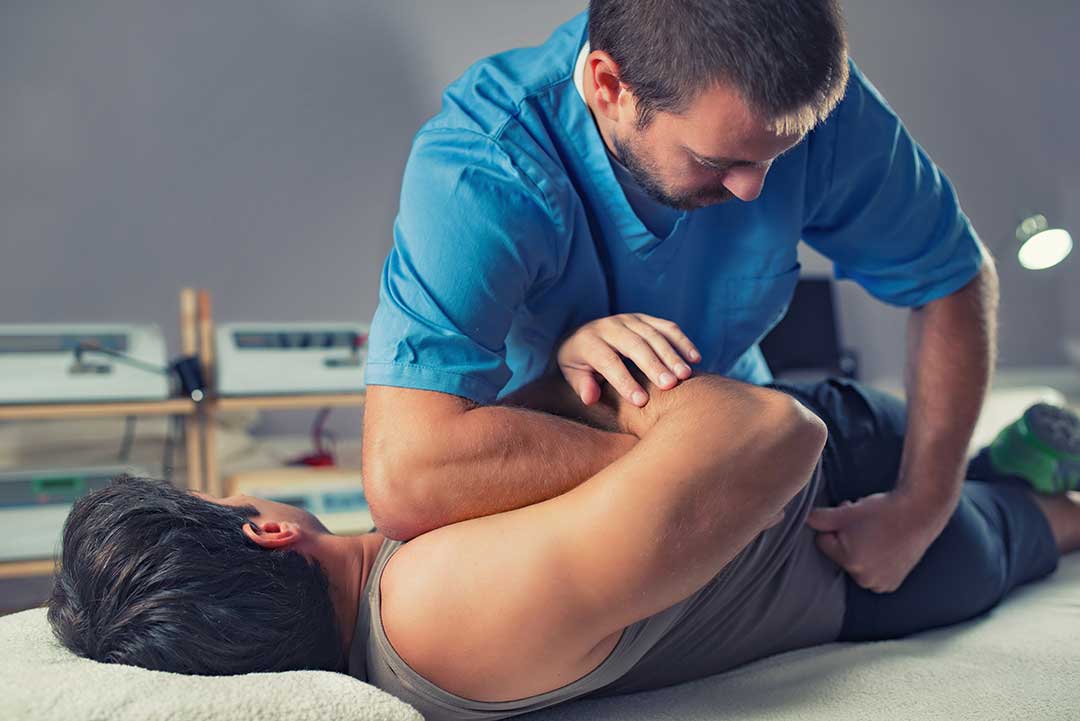
If symptoms are mild but do not begin improving after several weeks of reasonable self-care, an evaluation can help determine whether the problem is muscular, joint-related, nerve-related, or connected to another condition. A chiropractor may assess movement and musculoskeletal factors, while other medical clinicians may be appropriate depending on symptoms, medical history, and warning signs.
For uncomplicated back soreness, a safe trial of ice or heat can be reasonable. Choose cold for recent irritation, warmth for stiffness, protect the skin, keep moving gently, and do not use temperature therapy to ignore symptoms that are severe, progressive, or unusual.
