
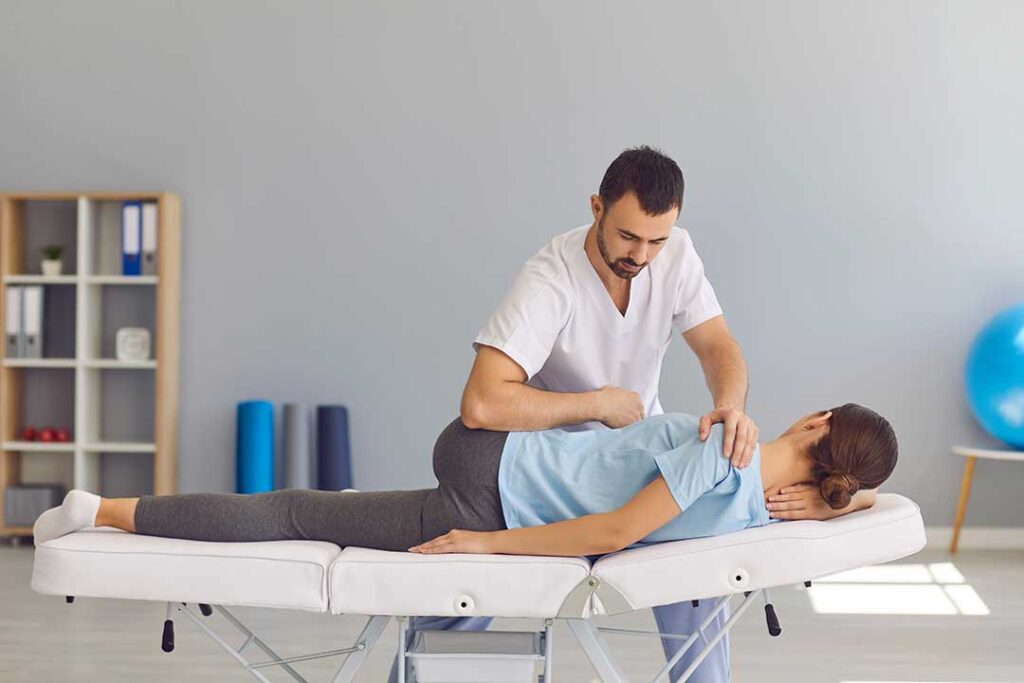
What Causes Knee Pain for Rye, NY Residents?
Knee pain can come from various sources, including sports, overuse, aging joints, or repetitive strain from walking on uneven terrain common in local neighborhoods. Individuals may notice discomfort after gardening, climbing stairs in multi-level homes, or navigating icy sidewalks during colder months. Arthritis, previous injuries, and alignment issues also commonly contribute to knee discomfort in the area.
Understanding the source, whether it’s related to activity, posture, or previous injuries, helps individuals tailor their approach to relief. Non-medication strategies often work best when matched to the underlying cause.
Are There Safe Exercises to Help Without Medication?
Gentle movement can support knee function by encouraging flexibility and building strength around the joint. For most people, safe exercises are possible without medication, provided there is no history of acute injury or swelling requiring immediate medical attention.
Typical low-impact activities include:
- Walking on flat, well-maintained routes found in many city parks
- Swimming or water aerobics at local pools, which reduce joint stress
- Non-weight-bearing exercises like stationary cycling
Strengthening the muscles above and below the knee often stabilizes the joint. For those comfortable exercising at home, try:
- Straight leg raises while lying down
- Seated knee extensions
- Mini-squats using a sturdy chair for support
Short, consistent sessions several times a week are more effective than occasional strenuous workouts. If an exercise causes sharp pain, it’s wise to stop and reassess.
How Do Stretching and Mobility Workouts Help?
Mobility and stretching exercises can relieve stiffness and prevent joint irritation. These routines reduce excess tension in the hamstrings and quadriceps, which commonly grow tight with prolonged sitting—a common concern during long commutes or remote workdays.
Simple stretches such as:
- Lying or standing hamstring stretches
- Quad stretches done while holding a countertop or chair
Aim to gently stretch each major muscle group for 15–30 seconds, avoiding bouncing or forcing the joint. Many residents incorporate stretching before or after daily walks or household chores.
Can Posture and Everyday Habits Reduce Discomfort?
Small changes in posture or routine can help lessen stress on the knees. Residents who spend significant time sitting—whether at work, in schools, or at home—should prioritize good ergonomic habits.
Helpful adjustments include:
- Keeping knees just below hip level when seated
- Avoiding sitting with legs crossed for extended periods
- Adjusting chairs and workstations to promote a natural, upright posture
- Standing up and moving briefly every 30–60 minutes
Using proper form during stair climbing and when lifting objects also limits excess joint loading.
What Role Do Footwear and Home Surfaces Play?
The surfaces navigated daily—such as hardwood floors, steps, and uneven walkways—can impact knee comfort. Supportive, cushioned shoes help absorb shock, easing pressure on the knee joint. Inside the home, area rugs or padded kitchen mats may soften hard flooring.
Those spending hours in gardens or on the city’s walking trails should check that footwear offers good arch support and isn’t overly worn. Residents often find relief by swapping unsupportive shoes, especially after winter boot season.
How Can Local Climate Factors Affect Knee Discomfort?
Seasonal weather can influence joint pain. Colder months are linked to increased stiffness and discomfort, particularly for those with pre-existing arthritis. Layered clothing, gentle warm-ups before leaving home, and keeping knees covered during brisk walks can make a noticeable difference.
Rainy or icy periods may also limit outdoor activity. When this happens, at-home exercise routines, stretching, or gentle indoor walking in hallways help maintain knee mobility and reduce discomfort from prolonged inactivity.
Are There Supportive Tools or Accessories That Help?
Certain non-medication tools can help alleviate discomfort when used appropriately. In local households, individuals often turn to:
- Cold packets for recent, mild swelling after activity
- Warm, moist towels or heating pads for stiffness
- Soft knee sleeves or braces for extra stability during household tasks
These aids should be used as complements to movement, not substitutes. Prolonged or improper use of braces may lead to weaker surrounding muscles if not balanced with strengthening exercises.
What Are Common Misconceptions About Knee Pain Relief?
A few persistent misconceptions can hold residents back from finding effective relief:
- Rest alone almost never resolves chronic knee discomfort and can sometimes aggravate stiffness.
- Pain isn’t always a sign of “wear and tear;” sometimes poor movement habits or muscle imbalances are to blame.
- “Pushing through the pain” doesn’t speed healing. Mild, monitored exercise trumps high-intensity, all-or-nothing efforts.
Residents are sometimes surprised to find relief through simple, consistent self-care rather than relying solely on medications.
When Should Residents Seek Medical Guidance?
While most nagging knee pain can be managed with movement, stretching, posture changes, and home care, some symptoms require careful attention. Intense swelling, sudden inability to bear weight, or signs of infection around the knee (redness, fever, severe pain) are not typical and warrant prompt evaluation.
For ongoing discomfort not improving with these tips, residents should consult a licensed healthcare provider who can assess for underlying causes such as ligament injuries or advanced arthritis.
