
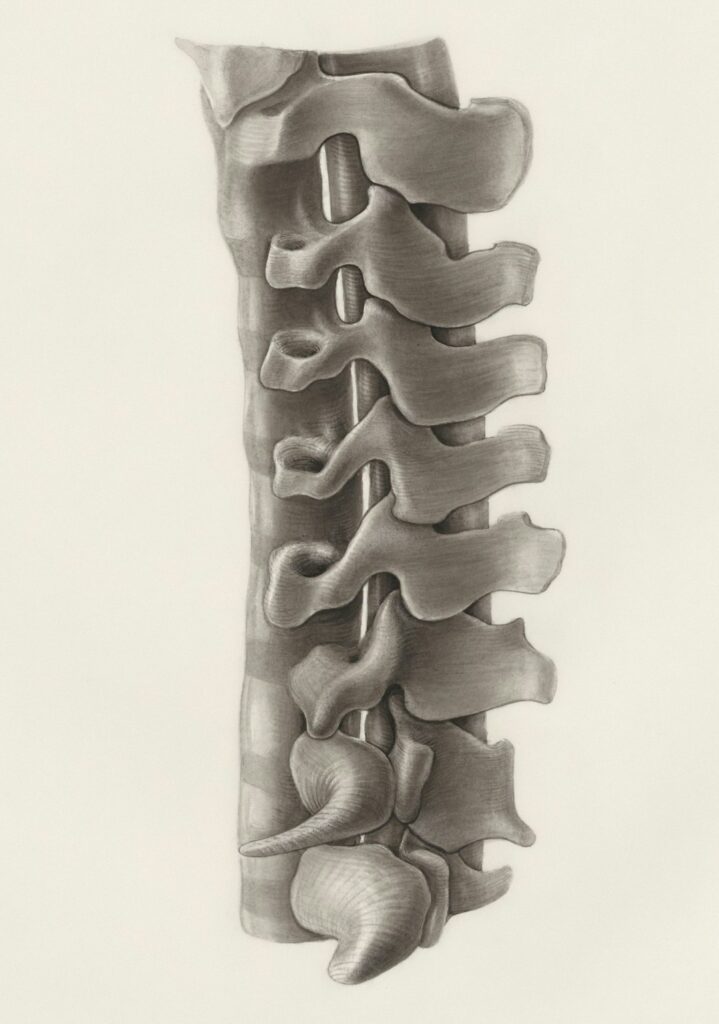
Maintaining optimal spine health goes beyond regular exercise and good posture. One often-overlooked factor is hydration. For the residents of Rye, NY, where active lifestyles and seasonal climate shifts are the norm, understanding the critical link between water intake and spinal health can make a remarkable difference in well-being and comfort.
Why Hydration Matters for Your Spine
The human spine is a complex structure, composed of vertebrae cushioned by intervertebral discs. These discs act as shock absorbers, allowing for flexible movement and protecting the nerves running through the spinal column. Up to 80% of the disc’s mass is water. This means that your spinal discs depend on adequate hydration to maintain their shape, elasticity, and ability to absorb impact.
When you are well-hydrated:
- Spinal discs remain plump, keeping vertebrae properly spaced and reducing friction.
- Nutrient delivery to the spinal structures is optimized.
- Waste removal from spinal tissues is enhanced.
- The spine is less susceptible to stiffness, herniation, and age-related degeneration.
How Dehydration Affects Spinal Health
Even mild dehydration can create problems for the spine. In Rye, NY, where residents enjoy beach days at Playland, regular hikes at the Marshlands Conservancy, and a vibrant outdoor culture, water loss can occur more rapidly through sweat—especially in the summer.
Possible spinal issues caused by dehydration include:
- Loss of disc height, resulting in reduced cushion between vertebrae.
- Increased risk of bulging or herniated discs.
- Muscle tension and spasms supporting the spine.
- Accelerated wear and degeneration of spinal structures.
Dehydration also increases the chance of back pain, stiffness, and reduced mobility—all of which can impact your ability to participate in Rye’s outdoor activities and enjoy a pain-free lifestyle.
Signs You’re Not Drinking Enough Water
Residents of Rye should pay attention to both general and spine-specific signs of dehydration:
- Persistent or recurring back pain, especially after physical activity.
- Increased feelings of stiffness in the morning or after sitting.
- Fatigue during recreational activities, such as tennis at Rye Recreation or kayaking on the Long Island Sound.
- Dry mouth and lips or decreased urination.
- Headaches and difficulty concentrating.
If you experience any of these symptoms, increasing your water intake could be a key step toward feeling better.
How Much Water Do Rye Residents Need?
Water requirements can vary based on age, activity level, and climate. Rye’s coastal environment can be humid, but distinct seasons also bring chilly winters and hot summers—each affecting hydration needs differently. A common guideline is:
- Adult men: about 3.7 liters (125 ounces) of total water per day.
- Adult women: about 2.7 liters (91 ounces) per day.
Remember, total water includes fluids from beverages and moisture in foods like fruits and vegetables. For those regularly active—whether you’re running along the boardwalk or biking Rye’s scenic routes—aim to drink extra water before, during, and after exercise.

Tips for Staying Hydrated in Rye’s Local Lifestyle
Making hydration part of your daily routine doesn’t have to be complicated. Try these strategies, tailored for Rye’s active residents:
- Carry a reusable water bottle to the Rye Nature Center, Playland beach, or during your morning train commute.
- Infuse your water with local flavors—add cucumber, lemon, or mint to make it more appealing.
- Set periodic reminders on your phone throughout the workday to take a sip.
- Eat more water-rich produce from the Rye Farmers Market—watermelon, oranges, berries, and cucumbers are excellent choices.
- Listen to your body. If you feel thirsty, it’s a sign you have already begun to dehydrate.
The Connection Between Hydration, Spinal Adjustments, and Chiropractic Care
As a chiropractor in Rye, I frequently see patients whose back pain is aggravated by inadequate hydration. Well-hydrated spinal discs are more receptive to adjustments and heal more quickly. Before and after any spinal manipulation, I encourage patients to drink plenty of water to help:
- Flush out metabolic waste released during chiropractic treatments.
- Keep spinal joints lubricated.
- Promote faster recovery and reduced risk of re-injury.
Making It a Family Habit
Hydration is important at every age, and families in Rye can set a healthy example together. Encourage children to take sips throughout the day, especially after sports or active play. Seniors, who may be less sensitive to thirst, should have water easily available and incorporate soups or smoothies if needed.
When to Seek Professional Help
If you notice persistent back discomfort, reduced mobility, or changes in your ability to participate in Rye’s beloved activities, consider consulting a spine health professional. While hydration is a cornerstone, some spine issues require targeted advice and intervention. Chiropractic care combined with healthy hydration can often produce the best outcomes for spinal wellness.
Conclusion
Hydration is a simple yet powerful way to safeguard your spinal health—supporting everything from daily comfort to peak performance in Rye’s active community. By recognizing the vital relationship between water intake and your spine, you can take meaningful steps toward long-term wellness and enjoy all that Rye, NY has to offer with a healthier back.